
Independent Too Soon
How one campus is leading the way in supporting foster youth students
⚠️ You have free article remaining.
Log in or become a member for unlimited access.
What does it take to succeed in college? For most students, the answer includes financial aid, family support, and academic preparation. But these pillars are often missing for students who have recently become independent as they exit the foster care system at age eighteen—an estimated four thousand in California and twenty thousand nationwide each year. While financial aid programs have opened doors to higher education for this population, here at California State University, Fullerton (CSUF), we are working to make sure foster youth students have the full support they need to walk through those doors, earn a degree, and thrive after they graduate.
Students with a history in the foster care system want to graduate from college. A current foster youth student at CSUF shared with me that she has a vision of graduating with her siblings cheering her on. Many of our foster youth students have a similar goal. The data, though, show that the challenge is formidable: for foster youth in California who graduate high school, the college-going rate is only 48 percent, much lower than the 64 percent rate for high school graduates not in care. And getting to college is merely the first hurdle: just 11 percent of California foster youth will earn a degree by the age of twenty-three. This concerning completion rate involves several factors. A full 60 percent of California foster youth experience housing insecurity, such as difficulty paying rent, frequent moves, and overcrowded conditions. Twenty-five percent of California foster youth report homelessness after leaving the care system, including periods without stable housing, such as sleeping in cars. Seventy percent of foster youth report food insecurity, meaning they don’t know where their next meal will come from and may skip meals. Eighty percent of foster youth enrolled in college take on a paying job, working an average of twenty hours per week to make ends meet. What’s more, researchers estimate that as many as 90 percent of foster youth have experienced trauma, which can lead to hypervigilance, difficulty concentrating, trouble planning, and other cognitive struggles—all of which negatively affect learning.
Enhanced financial resources, year-round access to housing, food insecurity programs, and trauma-informed assistance can help foster youth succeed in college and beyond. One of the most influential types of aid, however, is a supportive community made up of members who have had similar experiences. That’s where CSUF’s Guardian Scholars Program comes in.
In 1998, a student who had been admitted to CSUF experienced homelessness after aging out of foster care. As a result, she did not have adequate financial support to come to CSUF or a way to provide for her basic needs. Upon learning of her case, the Orangewood Foundation, a local nonprofit that helps foster youth, connected with a CSUF alumnus who wanted to support youth facing challenges to attending college. What resulted was not only assistance for the student but the beginnings of CSUF’s Guardian Scholars Program, the first college-based support program for foster youth in the United States. Over the years, the program’s financial support grew to include full-cost-of-attendance scholarships for forty to fifty students each year via a competitive application process.
Today, thanks to increased state funding, we’ve been able to boost financial support for our foster students. In June 2022, California’s commitment to aiding foster youth in higher education deepened with Assembly Bill 183, enacted as part of the 2022–23 state budget. The NextUp program, which supports foster students in California’s community college system, received a $30 million annual increase, allowing it to expand to all of the state’s community colleges. The California State University and University of California systems both secured ongoing annual funding to enhance their own foster youth programs. All three systems received a boost to their comprehensive support services, including support for enhanced emergency housing assistance, expanded mental health resources, increased academic counseling, and improved basic needs assistance. Crucially, the legislation eliminated restrictions that limited participation based on the age someone was in care, opening doors for any student who experienced foster care at any age. This system-wide expansion reflects California lawmakers’ recognition that foster youth need sustained holistic support throughout their entire college journey, regardless of which institution they attend. Indeed, the data show that foster youth students who are connected to vital services early in their academic careers have better educational outcomes than foster youth students who do not receive the same support.
At CSUF, we saw the increased state funding as an opportunity to evolve our program to better meet student needs and bridge the gaps that negatively affect access, retention, and graduation. First, we expanded eligibility to any current student at CSUF who has spent any time in foster care (previously our program was limited to undergraduate students under the age of twenty-six who were in care after age fourteen). We also now provide support for students pursuing further education, such as a graduate degree or a teaching credential.
In addition, we expanded our program offerings, which include summer residential onboarding programs, Friendsgiving dinners, graduation celebrations, student retreats, and more. These programs connect students with resources, donors, peers, and other members of the campus community, fostering collaboration, celebrating accomplishments, and encouraging students in their journeys. We also enhanced support for things like books, parking passes, bus passes, and laptops.
We brought on more staff and are expanding efforts to work with CSUF’s advancement team to increase funding that can directly go to students in the form of scholarships or resources. We have transformed the original full-ride scholarship program to align with expanded state foster youth financial aid programs and to provide equity of support, as financial aid eligibility can vary. Students are allowed to opt in and self-identify for additional support. We evaluate their circumstances through individualized needs assessments, allowing for flexible allocation of resources. For example, some students may require a grant for on-campus housing. In other cases, we may work with an external nonprofit to secure resources like a bicycle. Students with limited external financial means, such as those with limited employment, may receive additional assistance through food subsidy programs, enhanced housing subsidies, and expanded state grants.
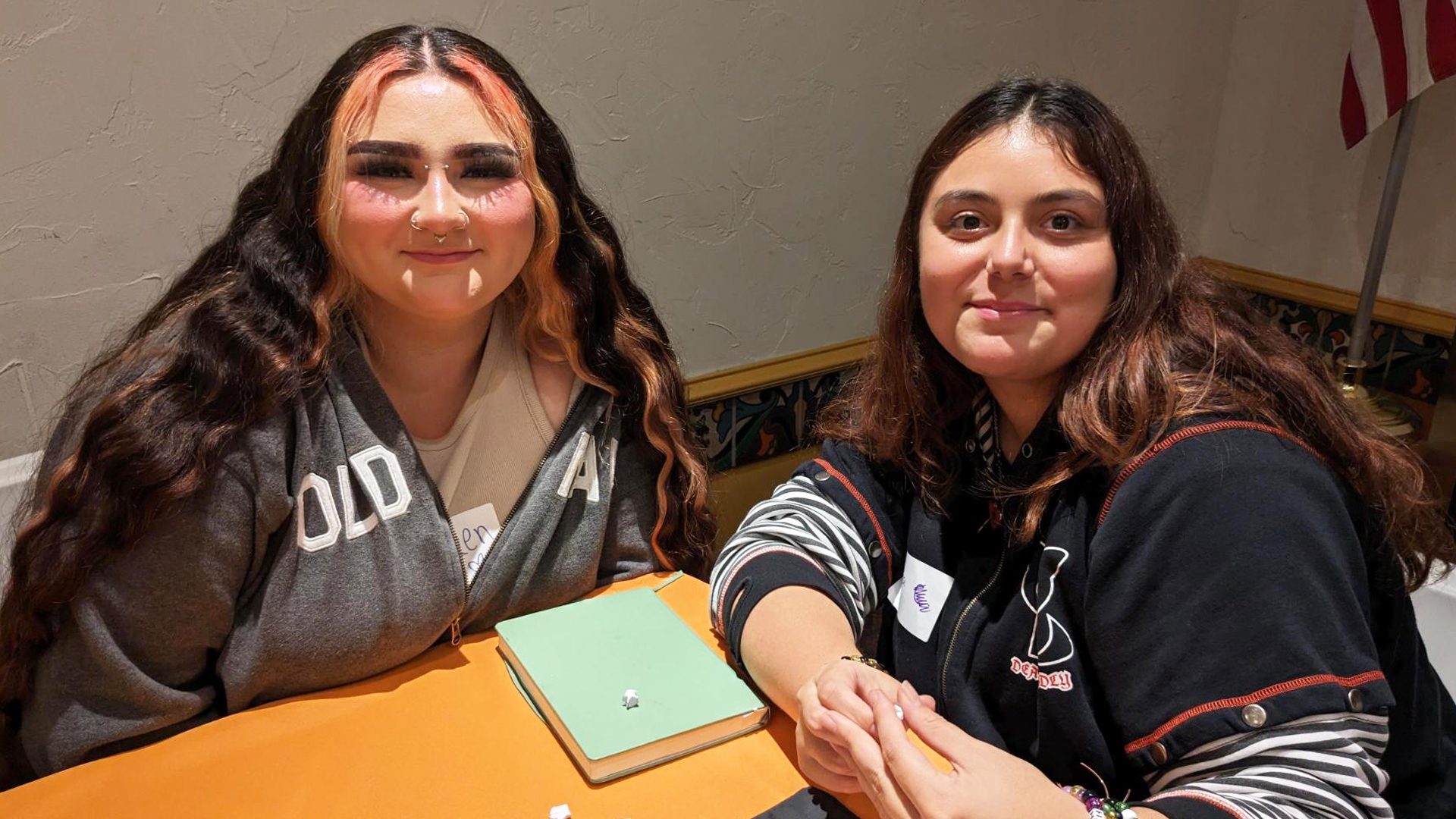
In April 2024, the Guardian Scholars Program hosted a twenty-fifth anniversary celebration. During the event, alumni, contributors, and current students shared their stories and highlighted the ways we have supported foster youth on our campus and in our local community. Since the start, more than 850 foster youth have been part of the CSUF Guardian Scholars program, with 55 percent earning a college degree and 20 percent currently enrolled at CSUF. Our pioneering model has sparked the creation of similar programs across the country, such as one at San Francisco State University that combines support from the university’s Educational Opportunity and Pathway Programs and School of Social Work.

While California has made substantial strides in supporting foster youth in their higher education journeys, obstacles remain. Key challenges include ensuring consistent, equitable funding and evaluating policies, such as ones that cap the amount of aid at the costs of attendance (which may not reflect a student’s true financial needs and may unintentionally restrict access to essential aid). Campuses must also work to expand mental health and housing resources and maintain staff trained in trauma-informed practices. The path forward for college and university foster youth programs involves increasing accessibility and enhancing the depth of services provided to ensure every foster youth has a genuine opportunity to succeed. Programs like ours at CSUF demonstrate how targeted interventions, community support, and adaptability can transform educational experiences and outcomes for foster youth. With continued collaboration and advocacy, we can help foster youth overcome barriers to attending college and fulfill their dreams of earning a degree.
Resources for Foster Youth and Educators
By building a network of support, we can collectively empower foster youth to thrive in higher education and beyond. Check out these programs to learn more.
California College Pathways
Supports foster youth on their journey through college with resources and mentoring.
John Burton Advocates for Youth
Provides advocacy and direct support for foster youth in California.
Cal State Fullerton Guardian Scholars Program
Provides holistic guidance and support for student’s academic goals, professional development, and lifelong learning.
Lead photo: Incoming fall 2024 Guardian Scholars gather for a welcome reception at the CSUF president’s house. (Courtesy CSUF News Services)
Exclusive Content
Subscribe to unlock all issues and articles
You have reached the maximum number of free views. Please login or become a member to continue reading.