
After the Coup
Even in the face of authoritarianism, Parami University continues to educate Myanmar’s citizens
⚠️ You have free article remaining.
Log in or become a member for unlimited access.
My phone beeped with a sudden flush of notifications early on February 1, 2021. I woke up to find frantic messages from my friends abroad. Are you OK? Is everything all right? Do you see soldiers outside? Did you hear there was a coup? The cell signal disappeared as I tried to read the news on my phone. Looking through the messages from our friends, my partner and I understood that the nightmare we had been dreading in Myanmar had become a reality—a military coup had occurred overnight.
We walked out of our house in Yangon and looked around. No one was on the streets. Curious to see what was going on around the city, we decided to drive north to the lush thirty-four acres of land that were to be the site of Parami University—a private liberal arts university whose planning I had been spearheading since 2016. The profound silence and widespread presence of military trucks we encountered on the way made my heart sink. I knew the story of Myanmar (also known as Burma) and her budding hopes and dreams would change forever. I knew, too, that the story of Parami would also change.
Until that day, Parami stood on the leading edge of educational reforms taking place in Myanmar’s then-burgeoning democracy, reflecting the civic responsibility of colleges and universities to nurture educated citizens engaged in local and national affairs. That role as a civic actor becomes ever more critical when an oppressive regime, such as the Burmese military dictatorship, strips away the openness of a society and attempts to suppress, if not eliminate, the institutions that enable citizens to think critically and challenge injustice.
For a few days after that morning, the entire nation was quietly figuring out, through limited internet access, what had just happened. We gathered that the Burmese military, in the wee hours of February 1, had arrested all government officials, including President U Win Myint and State Counsellor Aung San Suu Kyi, along with almost all the ministers and deputy ministers and many parliamentarians. The military had nullified the 2020 general election in which the Suu Kyi–led National League for Democracy won in a landslide victory for a second time. The military had also dismantled all three branches of the government and installed an interim government with Min Aung Hlaing, the commander in chief of the armed forces, as its leader.
On February 5, students and faculty from several public universities broke the silence, taking to the streets to show their disapproval of the military coup. More students and faculty soon joined them. Within a few weeks, what seemed like scattered protests morphed into a coordinated peaceful demonstration by hundreds of thousands of ordinary citizens nationwide. Along with the protests came the birth of a powerful resistance effort known as the Civil Disobedience Movement (CDM), which many civil servants, including doctors, nurses, and university teachers who refused to work under the illegitimate government, chose to join. The Burmese military subsequently cracked down on the discontent by opening fire on demonstrators to disperse any gathering and by terrorizing citizens with indiscriminate killings. They arrested individuals they suspected of being involved in leading demonstrations or of being connected to the CDM, taking them from their homes at night. Many of those arrested were tortured and killed during so-called investigations. The random detentions and killings motivated many young people to form community defense groups (which later coalesced as the People’s Defense Forces) to ward off incoming soldiers. To consolidate the opposition, ousted parliamentarians on the run formed a legislative body—later an opposition government—in exile, setting off a tense political tug-of-war that continues to this day.
Six months before the coup, Parami had received a sizable grant from the Open Society Foundations (OSF) to support our university governance and academic programs. OSF, a nonprofit organization, had been working in Myanmar to advance democracy, human rights, and freedom of thought and expression—all the hallmarks of an open and free society, which Parami promotes and which the Burmese military adamantly hates and suppresses. As the military rule stretched on in Myanmar, I felt more insecure with each passing day. Most of my peers who had been serving as senior officials in the civilian government had been arrested. Military authorities raided the OSF’s branch office in Yangon, seizing documents and confiscating more than $3 million from the foundation’s local bank account. They also set out to arrest its employees and directors, many of whom fled. My friends and colleagues advised me to hide. In the end, my partner and I decided to cross the border into Thailand. In April 2021, we found our way to the United States—where I had earned my undergraduate and doctoral degrees—with the support of the US embassies in Myanmar and Thailand.
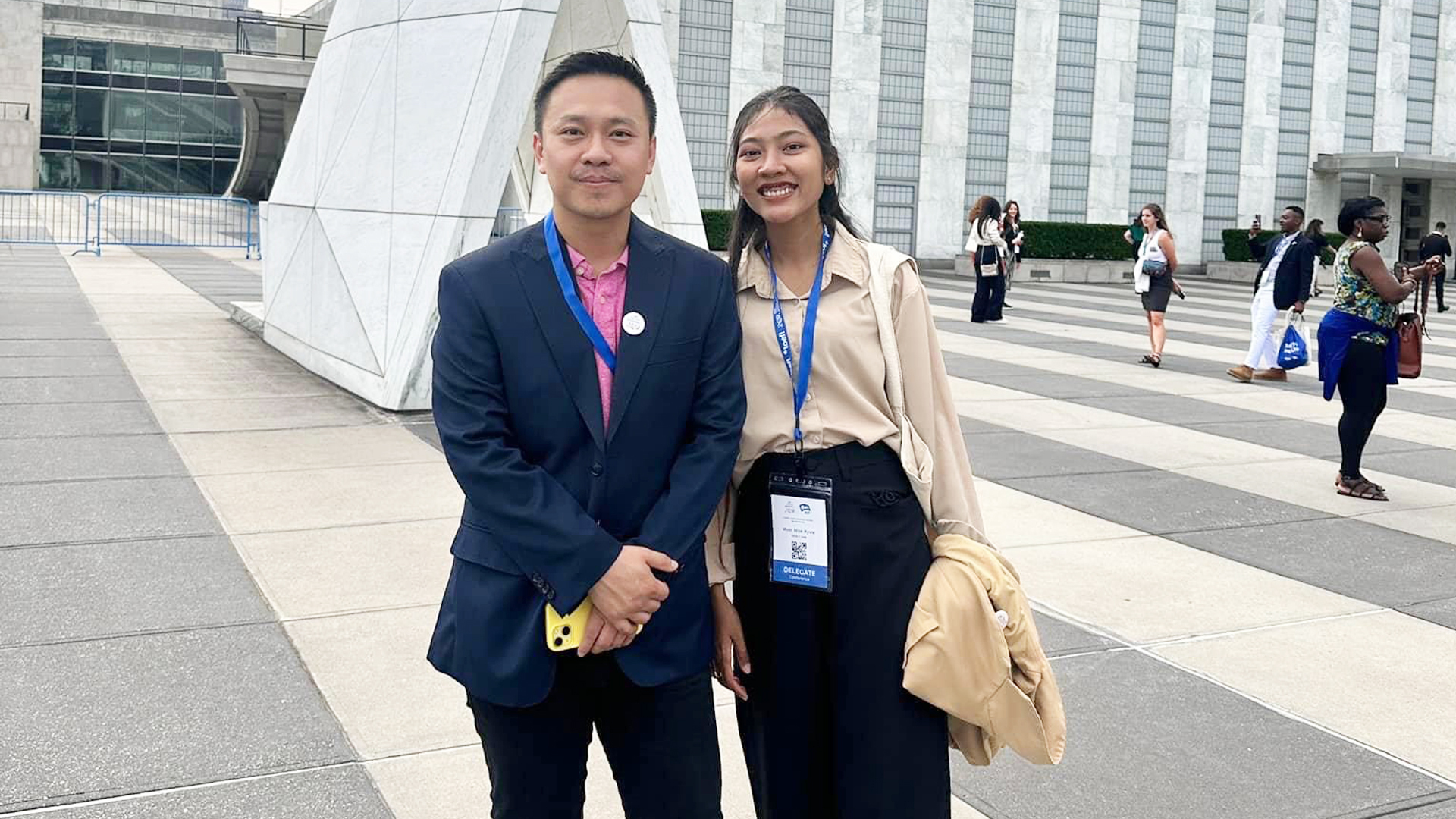
Parami was facing existential questions: should the university suspend its plans to open in fall 2022 and allow potential students to suffer the same fate that had befallen other generations of young people who became uneducated under previous military rules? Or would the university develop creative ways to educate and serve as a civic actor? Parami chose to push forward with its plans to operate, in order to support Burmese students—most of whom remain in Myanmar, though forcibly displaced from their homes to escape potential detention and violence—and to help the country. Dictatorship robs a society of genuine civic space where citizens can participate in their own governance. The only thing left to protect is the civic mind, an essential societal fabric that is interwoven with citizens’ capacity to think critically, to question unjust rules, and, most important, to hope that a better future is possible for their community and their nation. In the face of authoritarianism, the primary responsibility of a college or university is to ensure that this mental fabric remains intact until the civic space is ready to emerge fully and openly again. Once the fabric loses its integrity, dictatorship wins.
For us at Parami, education by any means became paramount. With the use of virtual educational tools and technologies advanced during the COVID-19 pandemic, Parami decided to go completely online in an effort to keep the civic fabric from fully fraying. We incorporated Parami University as a nonprofit corporation in Washington, DC, and subsequently received a license to operate from the Higher Education Licensure Commission. As a degree-granting liberal arts and sciences university, Parami offers associate’s and bachelor’s degrees in two majors—philosophy, politics, and economics; and statistics and data science. We welcomed the first cohort of fifty-seven students in fall 2022 and now have more than 230 students across three classes.
All Parami students receive financial aid through the support of generous donors and funders; we practice need-blind admissions and meet the full demonstrated financial needs of our students. Given the deteriorating status of the Burmese economy, our students’ average contribution per year amounts to less than 7 percent of the annual tuition fee of approximately $7,000. The university recruits students from diverse and notably lower socioeconomic backgrounds, who typically have learned English through community-based or religious-based organizations. All Parami classes are taught in English, and the university administers its own entrance exams.
A holistic liberal arts and sciences education is best suited to keeping the civic mind of a society intact by educating young individuals to become informed and engaged citizens. In addition, partnering with similar, civically minded institutions can be crucial for colleges and universities under threat to continue their offerings for students. Collective power enhances the strength and resilience of individual institutions, particularly in times of duress. Our partnership with Bard College (my alma mater) and the support of the Open Society University Network (OSUN), a global consortium of nearly fifty civically engaged higher education institutions, have been vital to sustaining Parami. What’s more, the interaction between students from institutions in crisis and those from relatively stable institutions is mutually beneficial: while the former get to continue their education, the latter learn to cherish and protect the fundamental freedom dearly yearned for among nearly 125 million forcibly displaced people worldwide.
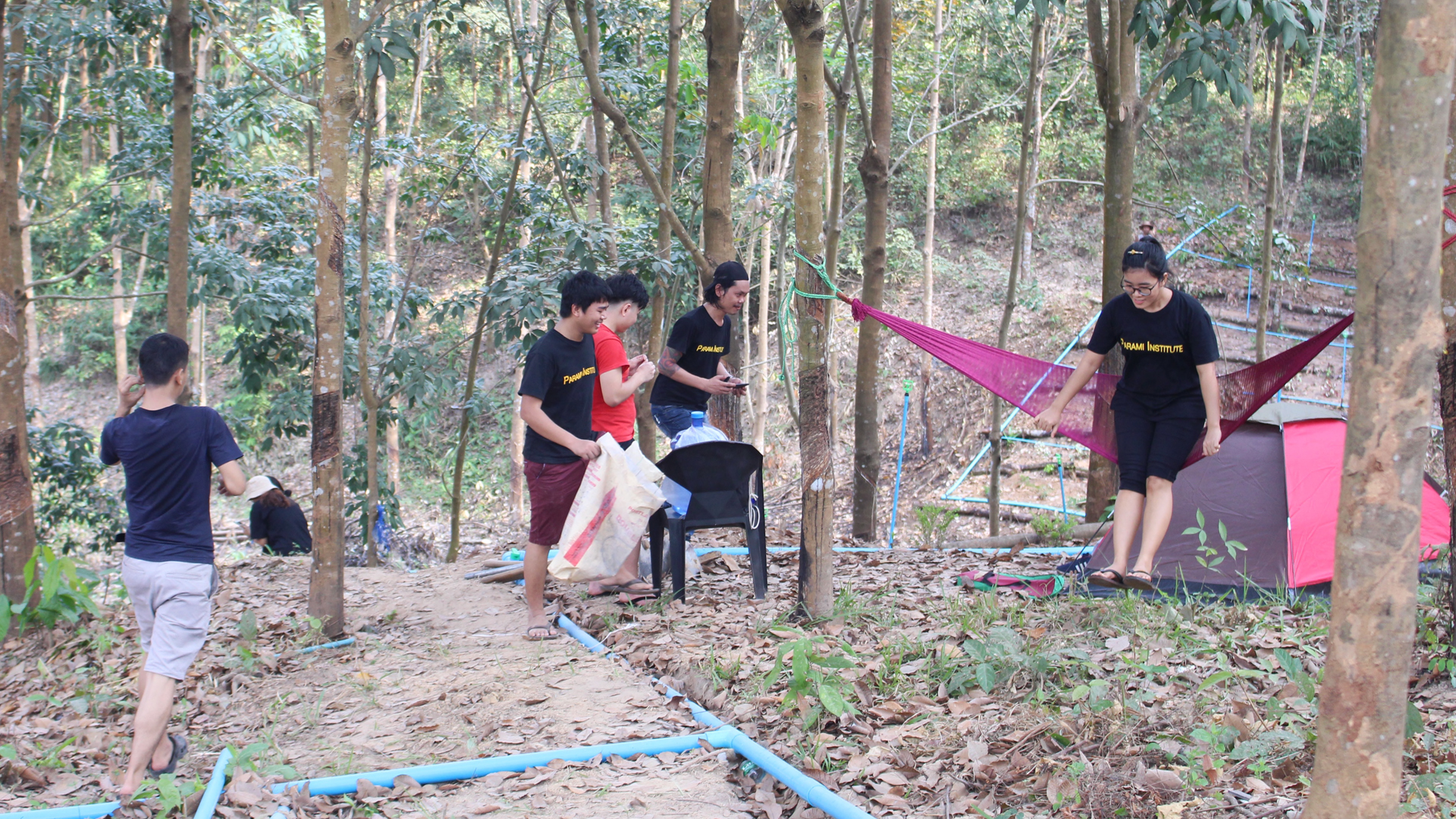
Parami University evolved out of a postgraduate pilot school, the Parami Institute of Liberal Arts and Sciences, which launched in 2017 to provide a certificate program in liberal education for graduates of Myanmar’s public universities. The institute, based in a third-floor space near downtown Yangon, was an instant success, quickly becoming an intellectual hub that hosted public talks by leading international scholars, industry experts, and senior government officials. Gearing up to establish Myanmar’s first private nonprofit residential liberal arts university, I raised more than $4 million in installments and pledges and purchased the thirty-four acres of land on which to build the first phase of the Parami University campus. (We have had to postpone breaking ground, originally scheduled for March 2021, indefinitely due to the takeover by the military, which continues to impose total authoritarianism on the population.)
Since the coup, hundreds of thousands of university students across Myanmar have dropped out of their studies to protest against the military, in effect sending a message that they do not believe in education under an authoritarian regime. Some have been imprisoned, tortured, and killed without any accountability. Some took up arms in resistance forces to fight against the Burmese military. It is surreal to think that only a month before the coup took place, the country had been witnessing an era of higher education reform. The Ministry of Education was about to grant autonomy to major public universities, allowing them greater freedom to develop their own curricula, hire their own faculty, and independently raise funds. Burmese faculty and students were enjoying a level of academic freedom they had never experienced before. Private universities, largely for-profit, were soon to be registered to ensure quality and accountability. I was able to take significant roles in many of these reform initiatives. In fact, the promise of these reforms was one of the key reasons I never applied for a job in the United States and returned to my country two weeks after I defended my doctoral dissertation at Yale. Suddenly, that promise seemed all but lost.
This was not the first time that our citizens, particularly university students, were stripped of their rights. After Myanmar gained independence from the British in 1948, university education in the country dwindled after two successive military coups in 1962 and 1988. The state of higher education following the 2021 military coup would have hit rock bottom without intervention: isn’t it in the nature of authoritarian regimes rife with corruption, injustice, and nepotism to suppress education so the populations they control do not raise any questions or challenge the legitimacy of their rule? They want education entirely under their control. We have seen, repeatedly, how authoritarian governments threaten academic institutions, some of which must eventually be shut down or exiled. Now, we are seeing threats to open civic space proliferate around the globe: in Turkey, Afghanistan, Hungary, and even the United States, where the relationship between academic institutions and the federal government is under strain.
My primary purpose in sharing this story is to inspire educators, entrepreneurs, and institutional leaders to remember their influence as civic actors and to encourage bolder approaches to international education for students in forcibly displaced populations, including refugees. Institutions that haven’t faced oppressive regimes stand to learn from those that have.
As authoritarianism took over Myanmar, Parami found itself devising innovative ways to continue its educational mission for the country’s citizens. An interesting question was how we would structure and organize an institution like Parami to operate in an oppressive environment for students facing enormous challenges. Educating forcibly displaced people involves more than merely providing education. Understanding the local challenges affecting them and offering personalized, interactive, and synchronous support are crucial. Myat Moe Kywe, a third-year Parami student, says, “Belonging to a community is all we want, yet many have been stripped of this sense since they left home or, at worst, were forcibly displaced. Saying ‘I am from Parami University’ assures us that we have the community to fall back on.”
To build a sense of community and camaraderie among the students, we make sure all our classes are small and synchronous, with usually no more than twenty students in each class. Synchronous courses require our students to have access to reliable internet service and electricity. For those with limited access, our student support staff on the ground in Myanmar organize learning hubs (residential dormitories) there and in Thailand, in partnership with community-based organizations that have been running their own academic programs locally for years. The students live and cook together. Having our learning hubs integrated in these community-based organizations ensures the students’ safety and security, especially with the Burmese military forcibly conscripting young people to fight against the opposition forces trying to free Myanmar from dictatorship. These learning hubs also provide safe spaces for us to develop and host student activities, further fostering community and cohesion among the students.
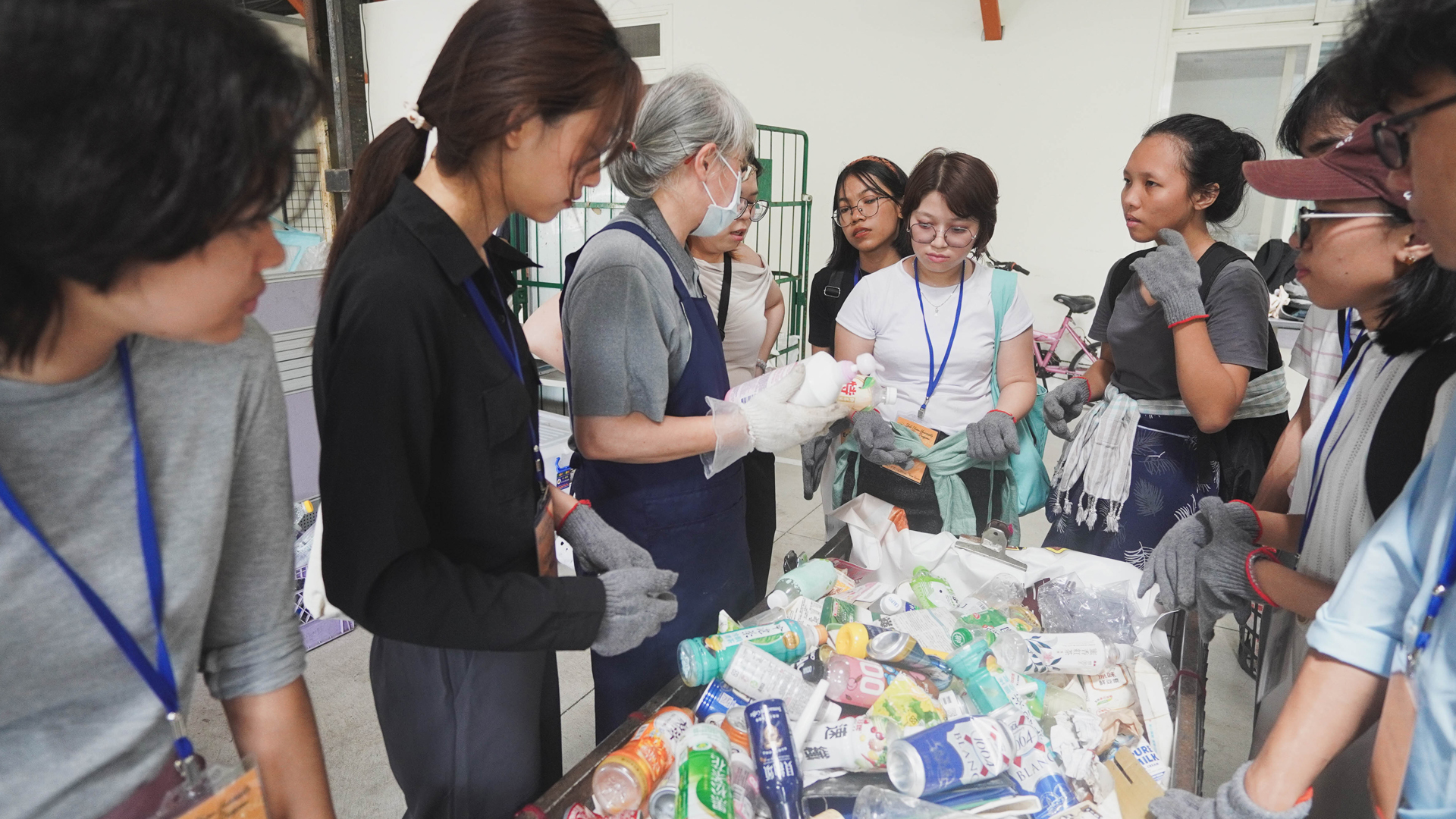
Ensuring physical security is not enough; mental health issues are rampant among forcibly displaced students. To address this, Parami provides students with free-of-charge individual online counseling sessions with therapists based in Myanmar. Many students are dealing with the loss of family members, fear of persecution, and heightened anxiety. To help students see beyond all the tragedies and to strengthen their youth leadership skills, Parami organizes international experiential learning programs, such as study trips to Thailand and Taiwan that help build intercultural understanding and mutual trust. Parami also organizes summer internship programs in the United States that place interns in reputable organizations involved in research and activities that seek to improve socioeconomic conditions and cross-border relations, such as the Asia Foundation, the East-West Center, the US-ASEAN Business Council, and the United States Institute of Peace. These internship experiences allow students to gain insights into American working environments and to see world issues from the perspective of American culture and values (although recent moves by the Trump administration to cut funding might curtail some of these life-changing programs). In just two years, these intentionally designed, quality human interactions have directly contributed to our first-year retention rate of more than 90 percent and our graduation rate of 75 percent for those earning an associate’s degree.
Another key element that provides a great deal of resilience for colleges and universities aiming to support students in crisis is partnering with institutions that have similar missions. The most meaningful partnership for Parami University lies in its dual-degree arrangement with Bard College, through which our graduates receive degrees from both institutions. There is immense power in being part of a network of institutions that run on similar civic-engagement objectives.
“What can we do that we cannot do alone?” Jonathan Becker, the executive vice president of Bard College, asked when Bard and Central European University founded the Open Society University Network. As an OSUN member, Parami engages widely in many activities that wouldn’t be possible as a lone institution. For example, Parami students now receive academic credits by taking OSUN online classes offered by member institutions such as BRAC University in Bangladesh, National Sun Yat-sen University in Taiwan, American University of Central Asia in Kyrgyzstan, Ashesi University in Ghana, Universidad de los Andes in Colombia, and many others. Similarly, Parami has opened its classes to students from those institutions. This mutual cross-collaboration has created truly global classrooms, enriching students’ intercultural experiences and forming friendships even if the students are oceans apart. Parami students have been able to participate in OSUN-organized student engagement conferences and activities hosted in various countries such as Germany, Colombia, Kenya, Germany, and the United States. Being part of a global community like OSUN benefits not only our students but also our academic and administrative staff, who are enriched through collaboration in research and joint projects.
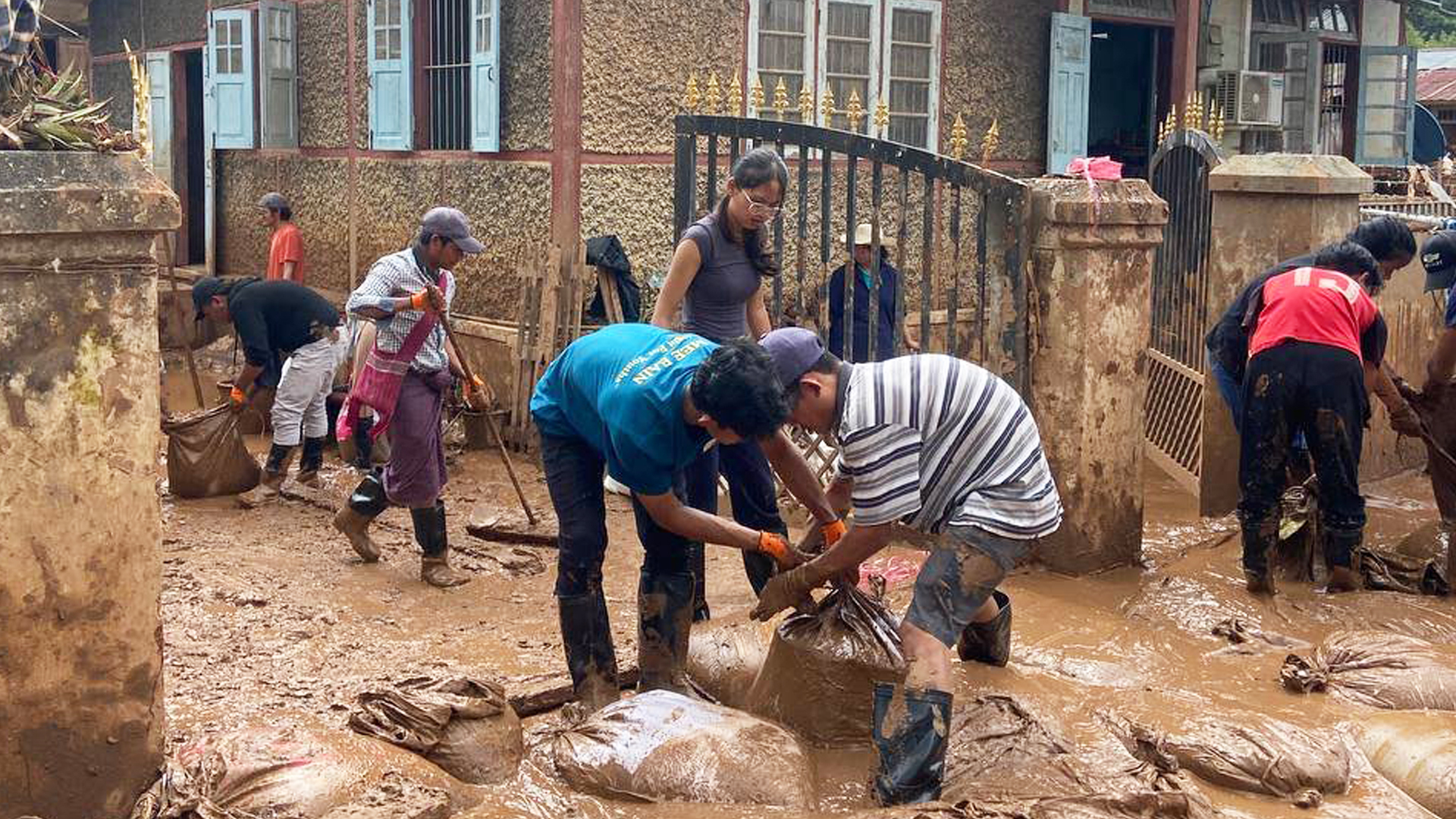
It is essential to know that educating students in crisis is not a charity. For colleges or universities operating in developed countries, enrolling refugee and/or forcibly displaced students enriches the entire community. Everyone on campus gains a better understanding of the fundamental rights that millions of forcibly displaced people worldwide lack and how education, particularly liberal education, empowers them to become effective citizens capable of critical thinking, interdisciplinary inquiry, evidence-based practice, and productive civil discourse. Equally important is the realization that students in displacement contexts have to struggle to earn their fundamental human rights. It is also crucial that students in developed countries not take their civil rights and freedom for granted.
I hope that the story of Parami encourages higher education leaders, especially those at institutions with substantial resources, to devise creative and collaborative ways to engage meaningfully with students in crisis. In educating those students as they navigate chaotic and unsettled lives—something I have been able to relate to since the day of the military coup—institutions of higher education demonstrate their crucial role as civic actors.
What’s more, the act of educating displaced and refugee students provides institutions with invaluable lessons in camaraderie, resilience, and innovation amid rising global authoritarianism. It requires courageous action and leadership to overcome challenges so that institutions stay true to their mission and their underlying core values. So long as we maintain the principle of “do no harm” and carry out our duties in good faith, I can say without a shadow of a doubt that we are doing our part in protecting the civic fabric.
Lead photograph: Parami students in Taiwan learn about the country’s culture and society. (Parami University)
Exclusive Content
Subscribe to unlock all issues and articles
You have reached the maximum number of free views. Please login or become a member to continue reading.